Altus Strategy
Overview
Corporate strategy refers to the overall plan that guides an organisation's actions and decisions in order to achieve its long-term goals and objectives. It involves making choices about where to compete, how to compete, and what resources to allocate in order to create and sustain a competitive advantage. Corporate strategy is typically set by top management and influences the entire organisation. key elements and considerations involved in corporate strategy:
- Goals: Corporate strategy establishes the high-level goals that the organisation aims to accomplish. These goals provide a framework for decision-making throughout the organisation.
- Portfolio Management: For enterprise companies with multiple business units, corporate strategy involves managing the portfolio of businesses. This may include expanding, divesting, or acquiring businesses to enhance overall performance.
- Prioritisation: Corporate strategy requires making deliberate choices about which initiatives to pursue. Prioritisation ensures resources are allocated to the initiatives that provide the greatest strategic value, helping organisations focus on high-impact projects, avoid waste, and adapt to changing circumstances.
Altus Strategy is where corporate strategies are identified and managed. These are broken down into Strategic Goals to be met and Benefits to be realised.

Dataverse Tables
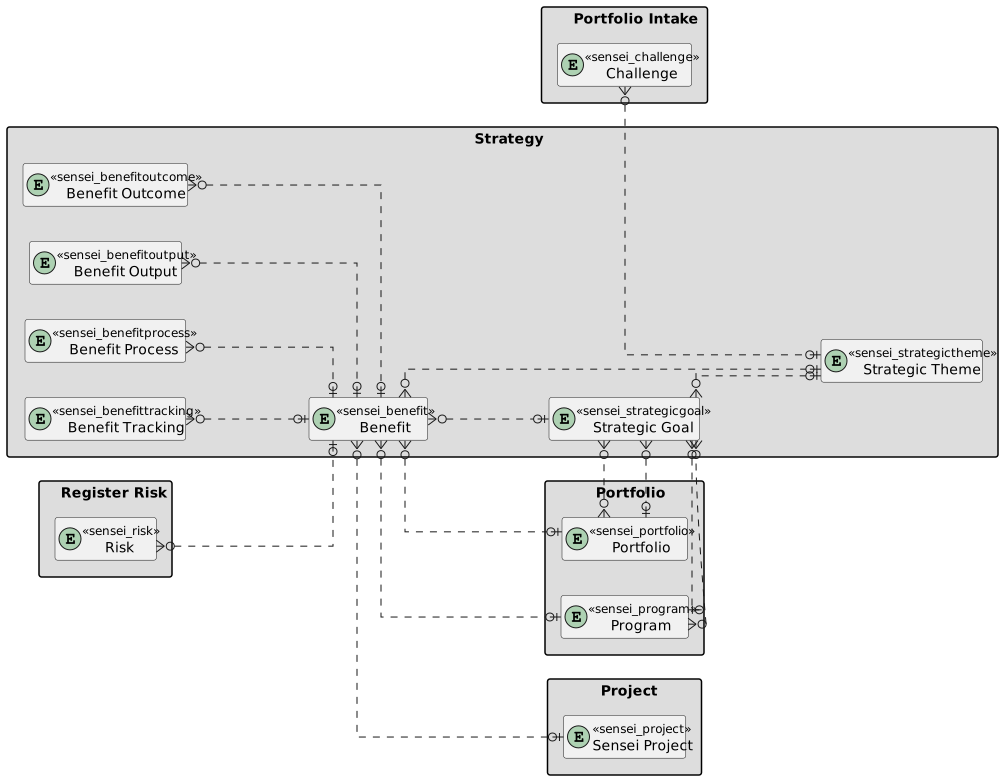
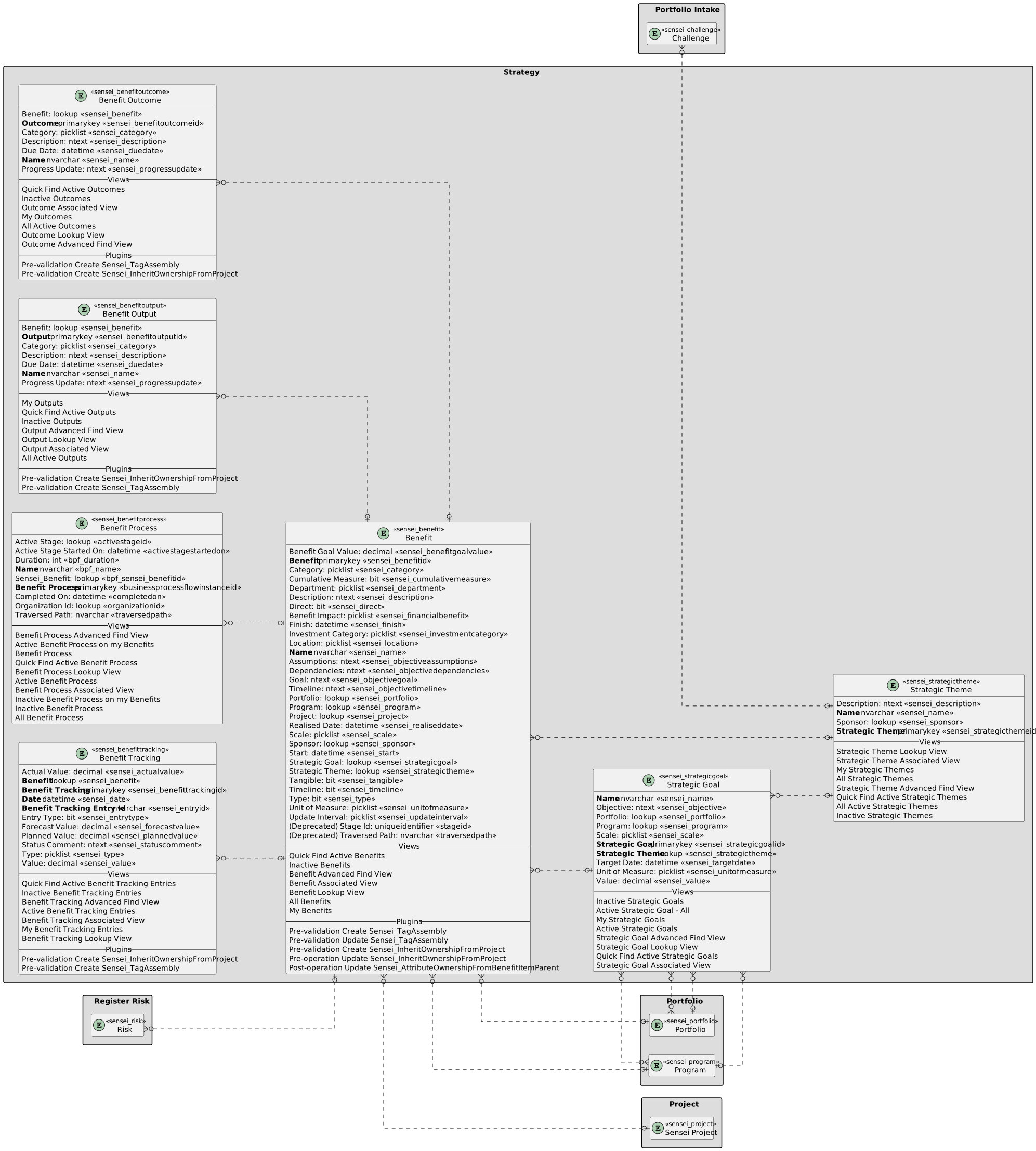
Below is the data model for the Altus Strategy objects.
A Strategic Theme groups goals together. Hence, a theme can have one or more Strategic Goals.
More details on Themes.A Strategic Goal is the goal that the business wants to achieve. A goal can have one or more Benefits.
More details on Goals.Benefits are the additional value generated by a project, portfolio or program when executed.
- Portfolios, Programs, and Projects can have one or more Benefits.
- A benefit can have one or more Outputs or Outcomes.
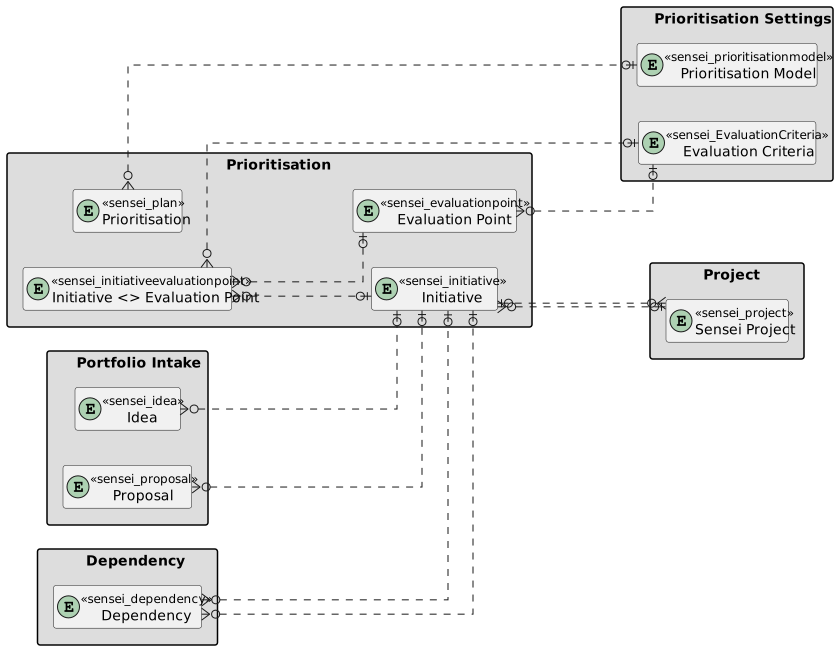
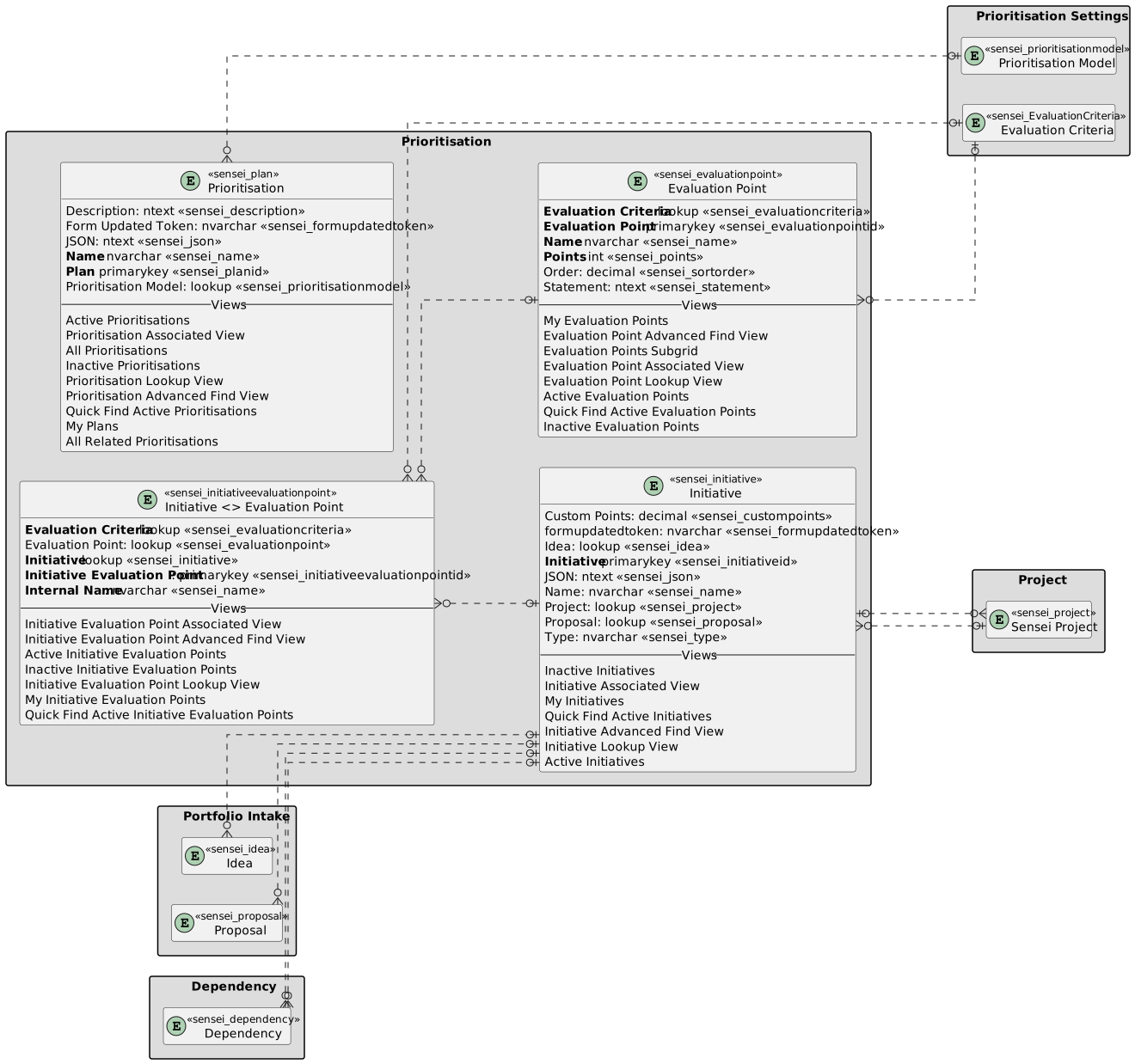
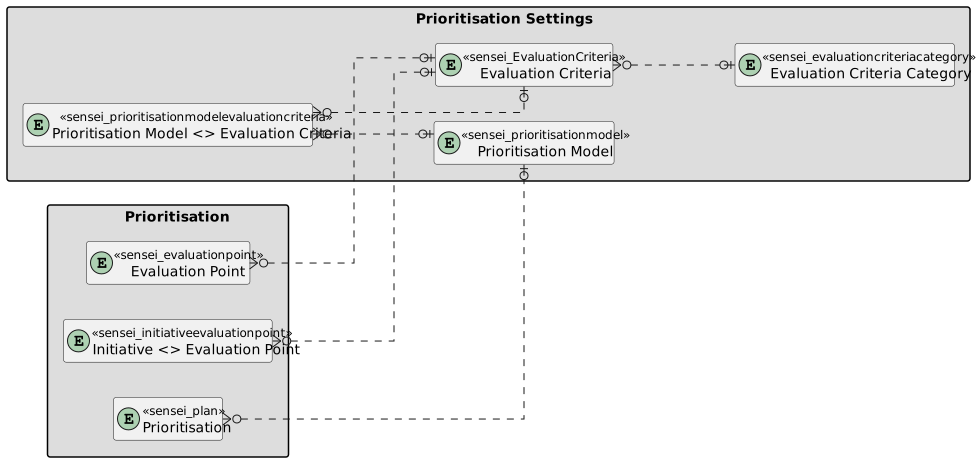
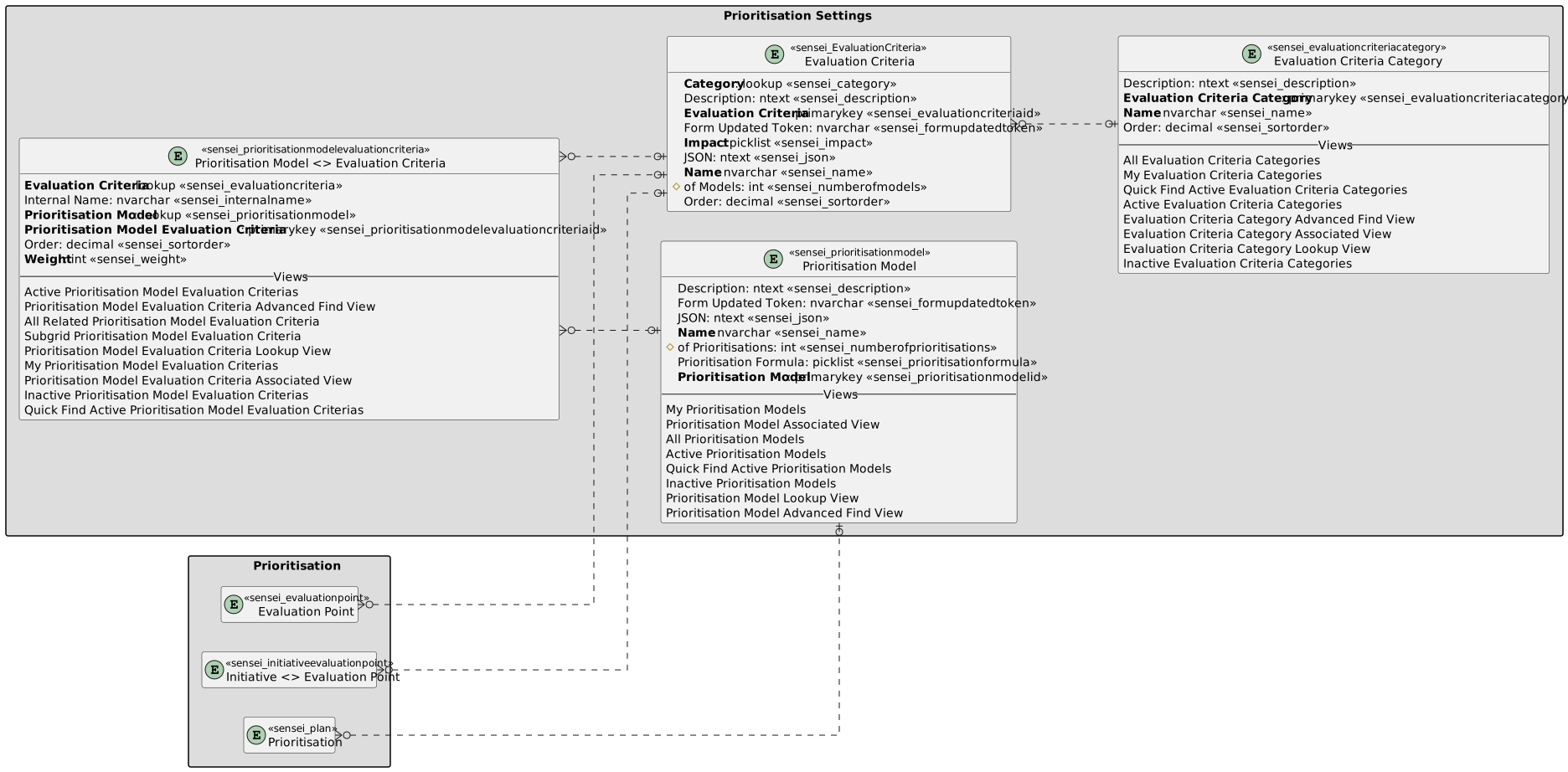
Prioritisation helps determine which initiatives should be pursued based on strategic value and other criteria.
Prioritisation is captured in the database through several tables:- Plan: Contains all initiatives and is linked to a single Prioritisation Model.
- Prioritisation Model: Defines how initiatives are evaluated and ranked.
- Evaluation Criteria: Represents the factors used to assess and score initiatives.
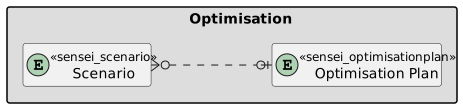
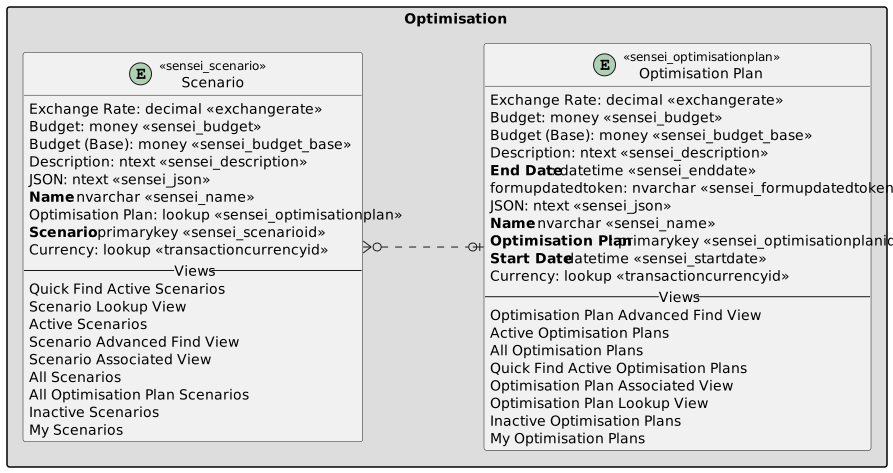
Optimisation helps determine which Initiatives to undertake based on financial and other constraints.
- Optimisation Plan: Contains the core information relevant to the Optimisation including the Horizon Start and End Date and the Budget.
- Scenario: Each plan can have one or more Scenarios associated to it. The Scenarios contain the selected Initiatives, the horizon forecast data and the IN/OUT status of Initiatives.
| Strategy | Strategy with fields |
|---|
| Prioritisation | Prioritisation with fields |
|---|
| Prioritisation Settings | Prioritisation Settings with fields |
|---|
| Optimisation | Optimisation with fields |
|---|
| Table | Name |
|---|---|
| Strategic Theme | sensei_strategictheme |
| Strategic Goal | sensei_strategicgoal |
| Benefit | sensei_benefit |
| Benefit Outcome | sensei_benefitoutcome |
| Benefit Output | sensei_benefitoutput |
| Benefit Tracking | sensei_benefittracking |
| Evaluation Points | sensei_evaluationpoint |
| Initiative | sensei_initiative |
| Initiative <> Evaluation Point | sensei_initiativeevaluationpoint |
| Prioritisation | sensei_plan |
| Evaluation Criteria | sensei_EvaluationCriteria |
| Evaluation Criteria Category | sensei_evaluationcriteriacategory |
| Prioritisation Model | sensei_prioritisationmodel |
| Prioritisation Model <> Evaluation Criteria | sensei_prioritisationmodelevaluationcriteria |
| Optimisation Plan | sensei_optimisationplan |
| Scenario | sensei_scenario |